Marketplace
NumismatiX & Bullion
Gold, silver, platinum and palladium coins, rounds and bars from The Gold App catalog, priced from the live spot price of the metal they contain. Selling? Get an estimate for your metal, or scan a coin to value it.
Loading live prices…
Loading the catalog…
Sell your coins and bullion to us.
Sell coins, rounds and bullion bars here: enter what you have and we show roughly what we pay today, from the live spot price and our current payout terms.
Selling jewelry, scrap, dental gold, nuggets or industrial material? That goes through refining: We buy gold: value your jewelry and scrap →
Testing before we pay
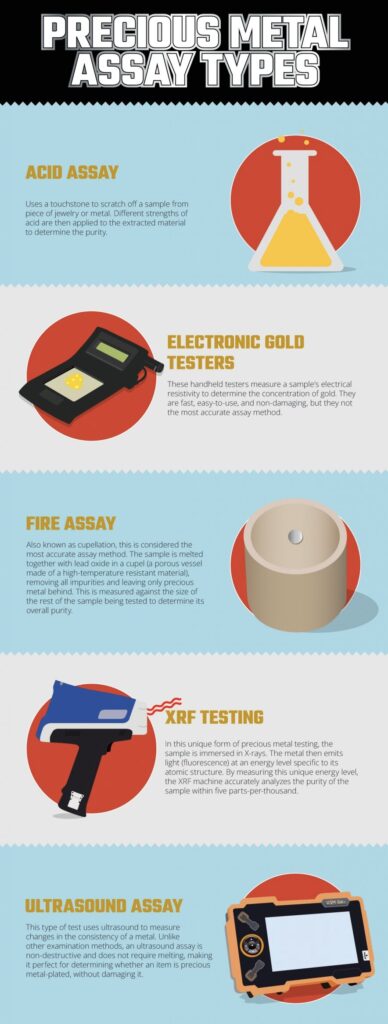
Every lot is tested before the final offer. Tap a method to learn how it works.
How recoverable metal value is calculated
The payout method is based on actual recoverable metal content, not just the gross weight of the item. If a lot contains more than one payable metal, each metal can be calculated separately and then combined.
Step 1: Weight x Purity % = Recoverable weight in grams
Step 2: Recoverable grams x current metal price = metal value
Step 3: Gold, silver, platinum, palladium, or other payable content can be calculated line by line.
Example: if an item weighs 10 grams and is 80% gold, then the recoverable gold weight is 8 grams. If it also contains 10% silver, then the recoverable silver weight is 1 gram. Each metal is then multiplied by its current market price to reach the payout value.
Payout depends on assay, metal type, fees, and program terms — confirm current payout ranges with The Gold App before shipping material.
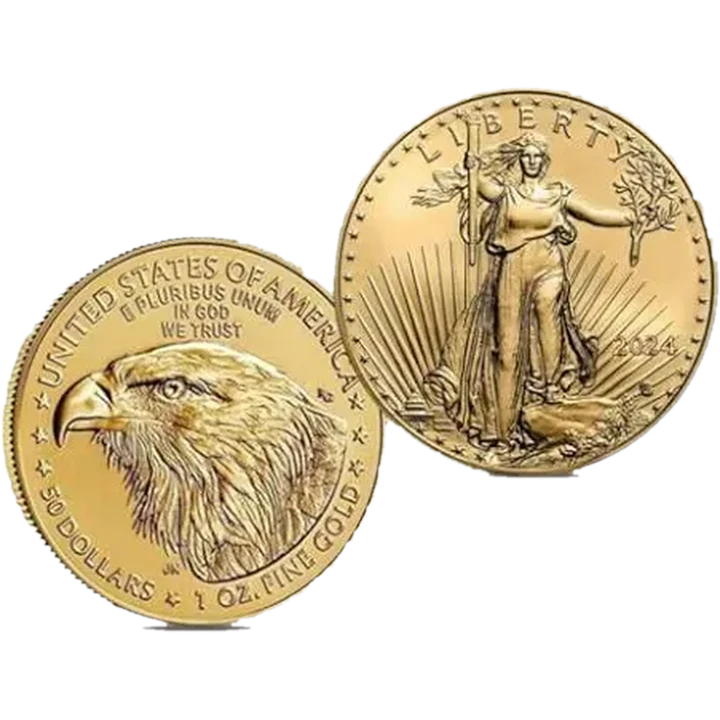
Selling a coin?
Coins are valued separately. Scan it with the Coin Scanner: it identifies the coin, shows its metal value, and keeps it in your coin log, where you can sell it or contact us about it.
Bring metals to a participating retailer, an automated vault machine, or ship them to us.
Participating Retailer. Authorized retailers can receive qualifying material and route it into The Gold App deposit and payout flow.
Automated Vault Machine. AVMs can test, verify, and route deposits into the platform through the connected vault and payout system. About AVMs
Ship It to Us. Metals can also be shipped in for intake, verification, payout, or further refining depending on the lot type.
Industrial Material. E-waste, sludges, industrial scrap, and larger lots may be directed to specialized shipping or industrial locations.
How it works
Precious metals intake can be broader than bullion alone.
| Category | Examples | Likely route |
|---|---|---|
| Bullion & coin | Bars, rounds, coins, collector pieces with metal value | Shipping, retailer intake, or AVM |
| Jewelry & scrap | Broken jewelry, mixed-karat items, scrap lots | Shipping or participating retailer |
| Ore & concentrates | Sample lots, concentrates, mine-origin material | Special handling with assay or industrial routing |
| Industrial recovery | E-waste, sludges, manufacturing scrap, catalysts | Industrial location or specialized shipment |
Use this guide to understand gold investing, compare product types, follow live spot pricing, and move into gold purchases with more confidence.
What is gold investing?
Gold investing usually means buying physical gold products or gaining market exposure to gold because of its long history as a store of value. Some buyers focus on wealth preservation, while others want diversification beyond traditional assets.
Why buy gold?
People buy gold for long-term wealth preservation, diversification, and direct ownership of a globally recognized asset. Physical gold can also appeal to buyers who want something outside traditional financial products.
Gold coins vs. gold bars
Gold coins can appeal to buyers who want recognizable mint products and flexible sizing. Gold bars can appeal to buyers focused on bullion weight and straightforward pricing. The right fit depends on budget, storage preference, and product goals.
Buy gold coins and bullion
The Gold App supports gold coins, minted products, and bullion bars through NumismatiX. Product pages are designed to show weight, purity, metal type, pricing, and imagery clearly so buyers can compare options with less guesswork.
How gold spot pricing works
Gold spot price is the underlying market value of gold before premiums, shipping, insurance, or fixed pricing adjustments are applied. Product listings can then build on that price using weight, purity, and admin-controlled premium logic. If a live product price is missing, the site shows contact guidance instead of stale values.
How to buy gold safely
Look for live pricing, transparent product details, secure checkout structure, and clear fulfillment handling. Buyers should understand what they are purchasing, how the total price was calculated, and how the order will be processed after payment. Orders can be reviewed for inventory source, substitutions, and fulfillment quality before shipment is completed.
Start buying gold
Once you are ready, compare current product listings in NumismatiX, read through the buying pages, and use current market pricing to narrow down the right product type for your goals.
Learn how silver investing works, compare product types, and understand how spot pricing affects silver coins, rounds, and bullion bars.
What is silver investing?
Silver investing often appeals to buyers who want physical exposure to precious metals at a lower entry point than gold. It can be used for diversification, collecting, or long-term accumulation.
Why buy silver?
Silver attracts buyers looking for lower entry points, industrial demand exposure, and direct physical ownership. It can also be a practical way to begin building a precious metals position.
Silver coins vs. silver bars
Silver coins and rounds can be attractive for flexibility and familiarity, while silver bars can be attractive for straightforward bullion weight. Product choice often comes down to budget, storage preferences, and personal buying goals.
Buy silver coins, rounds, and bullion
Silver inventory can include coins, rounds, and bullion bars. Silver products live alongside gold inventory so buyers can compare both metals in one ecosystem. Weight, purity, category, and pricing details help buyers compare silver products more confidently.
Why investors buy silver
Investors buy silver for physical ownership, market participation, and portfolio diversification. Silver can also draw interest because it is tied to both investment demand and industrial use.
How silver spot pricing works
Silver spot pricing is the market base price before premiums and handling costs. Product pricing can then build on that base using purity, weight, and business pricing rules so buyers can see the relationship between the market and the listing price. If a product price is unavailable, the listing shows contact guidance rather than stale fallback pricing.
Start buying silver
Compare silver listings in NumismatiX, review the live market pricing page, and use the resources section if you want more education before choosing a silver product.
More than metal. It’s history.
Numismatics is the study and collection of coins, tokens, bullion, and paper money. Beyond their metal content, coins carry stories of empires, cultures, artistry, rarity, and eras.
History you can hold
Every coin reflects a moment in time, from ancient civilizations and royal mints to modern commemoratives and bullion issues.
Rarity creates value
Limited mintage, survival rates, historical significance, and demand all shape why certain coins command premium pricing.
Beauty in detail
Design, strike quality, toning, and craftsmanship can make one coin feel less like a commodity and more like a work of art.
Collecting that blends history, rarity, metal, and culture.
Numismatics is more than collecting coins. It is the study of how money was designed, struck, circulated, preserved, and valued across civilizations. Collectors look at historical context, condition, rarity, minting details, and market behavior. NumismatiX connects that collector mindset to The Gold App ecosystem so visitors can learn, research values, compare categories, and move toward coin discovery with more confidence.
Ancient coins
Discover coins from Greek, Roman, Byzantine, and other early civilizations where preservation and provenance matter deeply.
World coins
Study coinage from international mints, monarchies, republics, and commemorative programs across the globe.
US coins
From early copper and silver types to Morgan dollars, Eagles, and modern issues, American coinage offers deep collector lanes.
Tokens & medals
Exonumia captures events, institutions, transport systems, military history, and private mint artistry beyond standard coinage.
Factors that influence value
Why one coin can be ordinary while another becomes iconic.
Rarity
Fewer surviving examples often push collector competition higher.
Condition
Grading and eye appeal can dramatically separate one price tier from another.
Age & history
Historic importance, provenance, and era context add narrative and desirability.
Metal content
Gold and silver intrinsic value can create a floor beneath collector pricing.
Demand
Collector trends, registry sets, and market cycles shape what becomes hot.
Scarcity
True market scarcity matters even more when key-date coins rarely surface.
Learn before you buy or sell.
Guides and articles on coins, bullion, testing, refining, IRAs and mining, alongside the live tools to check a price, identify a coin or see what we pay.
Coins and rounds are not the same thing
They look alike, so they are often confused. A coin is issued by a government, through its national mint or a mint it authorises, and carries a face value, such as the American Gold Eagle or the Canadian Maple Leaf. A round is made by a private mint, such as Scottsdale Mint or SilverTowne, and has no face value: it is bullion in the shape of a coin, valued for the metal it contains.
Both are priced from the live spot price of their metal. Rounds usually cost less over spot, while government coins carry their government's guarantee of weight and purity and are recognized everywhere. In our catalog each piece is listed as a coin, a round or a bar, so you know which one you are buying.
Buyer guides
Gold Buyer Guide
Coins, rounds and bars, purity, premiums and storage for gold.
Silver Buyer Guide
Silver product types, premiums and storage.
Coin Collecting
History, rarity, condition and what makes a coin valuable.
Guides
Gold Karats and Purity Chart
What 10k, 14k, 18k, 22k and 24k mean, the stamps on jewelry, and how to work out what your gold is worth.
What Is the Spot Price?
Troy ounces, pennyweights and kilograms, why coins cost more than spot and why buyers pay less.
Coin Library
Specifications and today's metal value for more than 31,000 coins, rounds, bars and notes.
Coin Grades Explained
MS-70, PR-70, BU, the 1 to 70 scale and what NGC and PCGS grading adds.
Bullion or Collector Coin?
What sets the price of bullion, semi-numismatic and numismatic coins, and how to find the metal value.
What Are Numismatics?
What numismatics is, why people invest in coins and precious metals, and how to get started.
How to Check for Real Gold Coins
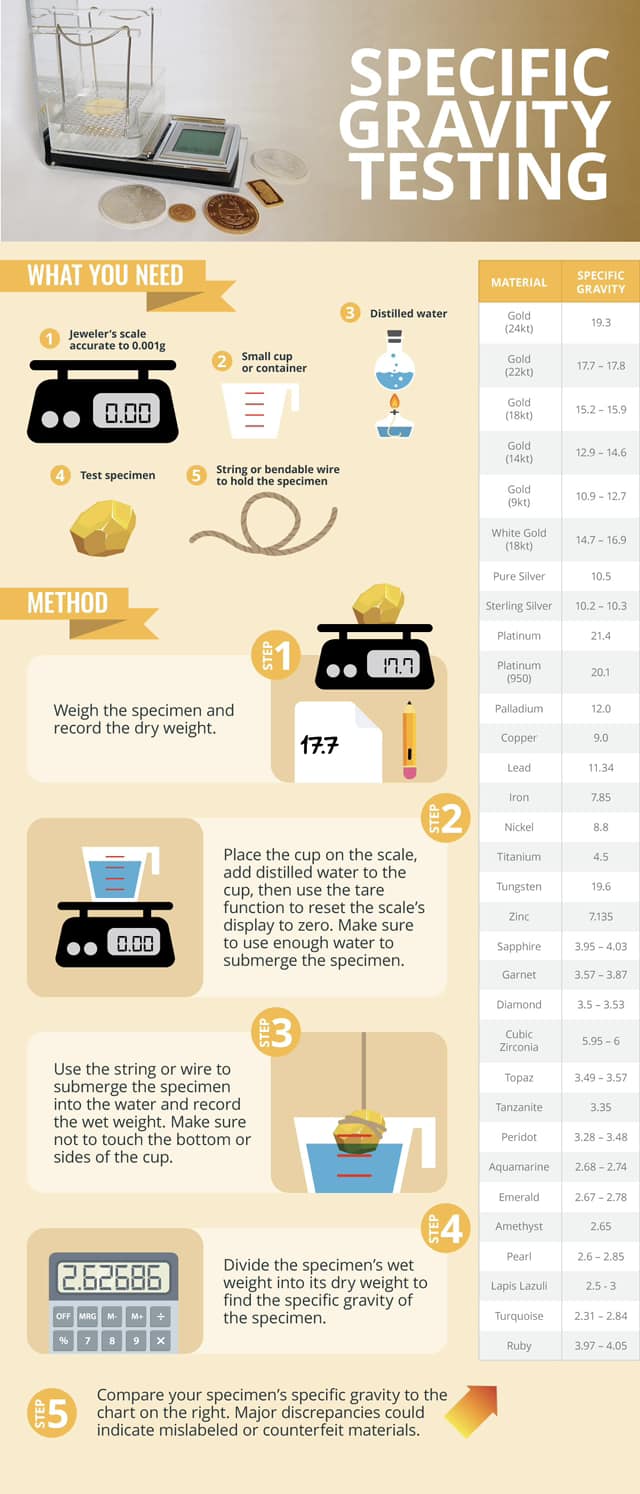
Weight, detail, magnet, ping and specific density tests to identify a genuine gold coin.
How to Perform an Acid Test at Home
Step-by-step acid testing for gold, silver and platinum at home: tools, reactions, results and limitations.
Gold IRA's
What a Gold IRA is, how it works, its benefits and drawbacks.
Gold Refining Guide: Wohlwill and Aqua Regia
How gold is refined by the Wohlwill electrolytic process and the aqua regia process, and the assay types used.
Concentrating Platinum Group Metals
How platinum group metals are concentrated from ore: crushing, flotation, gravity separation, smelting and refining.
Gold Mining Claims Guide
How to file a gold mining claim with the BLM and state agencies, how to prove your claim’s worth, and how to fund or sell a mine.
Gold Mining Methods and Geology
Placer, lode, river and deep-sea mining, sustainable practices, and the geological indicators, tools and techniques for prospecting.
Articles
Buy Gold in 2026
The best ways to buy gold online in 2026, coins versus bars, and live gold pricing.
Gold vs Silver
Volatility, storage and liquidity compared before you buy precious metals.
How to Buy Gold Online Safely
Choosing a trusted seller, checking spot price and premiums, shipping and insurance.
Is Gold a Good Investment?
Why investors hold gold, how it can hedge inflation, and how to start with physical gold.
Where to Buy Gold Safely
What makes a gold seller trustworthy and how real-time pricing helps buyers.
Tools
Live market prices
Spot prices for gold, silver, platinum and palladium, and outside dealers' prices.
Coin Scanner
Photograph or type a coin to identify it and see its melt value.
What we pay
Instant estimates for gold, silver, platinum and palladium you sell to us.
Testing methods
How metal is tested: acid, XRF, fire assay and more.